Click here to find an
AAEF site near you.


African Burial Ground National Monument
New York, New York

From the 1690s until the 1790s, both free and enslaved Africans were buried in a 6.6 acre burial ground outside the boundaries of the settlement of New Amsterdam, now lower Manhattan. Lost to history due to landfill and development, the cemetery was rediscovered in 1991 and now memorializes the African slaves who helped to establish the financial capital of the world!


Booker T. Washington National Monument
Hardy, Virginia

Born a slave in 1856 on the 207-arce farm of James Burroughs, Washington became founder and first principal of Tuskegee Normal and Industrial School, later known as Tuskeegee Institute.  As an educator, adviser, author and orator, his past would influence his philosophies as the most influential African American of his era. Step back in time and experience firsthand the life and landscape of Booker T. Washington.


Boston African American National Historic Site
Boston, Massachusetts

Located in the heart of Boston's Beacon Hill neighborhood, the site includes 15 pre-Civil War structures relating to the history of Boston's 19th century African-American community, including: Abiel School, the first public school for African-Americans and the African Meeting House, the oldest standing African-American church in the United States. The sites are linked by the 1.6 mile (2.5 km) Black Heritage Trail. Augustus Saint-Gaudens' memorial to Robert Gould Shaw and the African-American Massachusetts 54th Regiment stands on the trail.


Brown V Board of Education National Historic Site
Topeka, Kansas

On May 17, 1954, the Supreme Court unanimously declared that separate educational facilities are "inherently unequal" and, as such, violate the 14th Amendment to the United States Constitution, which guarantees all citizens "equal protection of the laws." The former Monroe Elementary School houses a state of the art interactive visitors center that tells the complex story of the landmark case and the decades of legal strategy that led to it.


Cane River Creole National Historical Park
Natchitoches, Louisiana

Located within the Cane River National Heritage Area in Natchitoches Parish, Louisiana, the Park includes 44.16 acres of Oakland Plantation and 18.75 acres of Magnolia Plantation. The two park sites include a total of 67 historic structures dating back 200 years and provides extensive insight into plantation life and the institution of slavery.


Carter G. Woodson Home National Historic Site
Washington, D.C.

The son of former slaves, Dr. Woodson earned his Ph.D. degree from Harvard University in 1912—the second black American to do so (after W. E. B. DuBois).  An African American historian, author, journalist and the founder of Black History Month, Dr. Woodson is commonly referred to as the Father of African-American History.


Frederick Douglass National Historic Site
Washington, D.C.

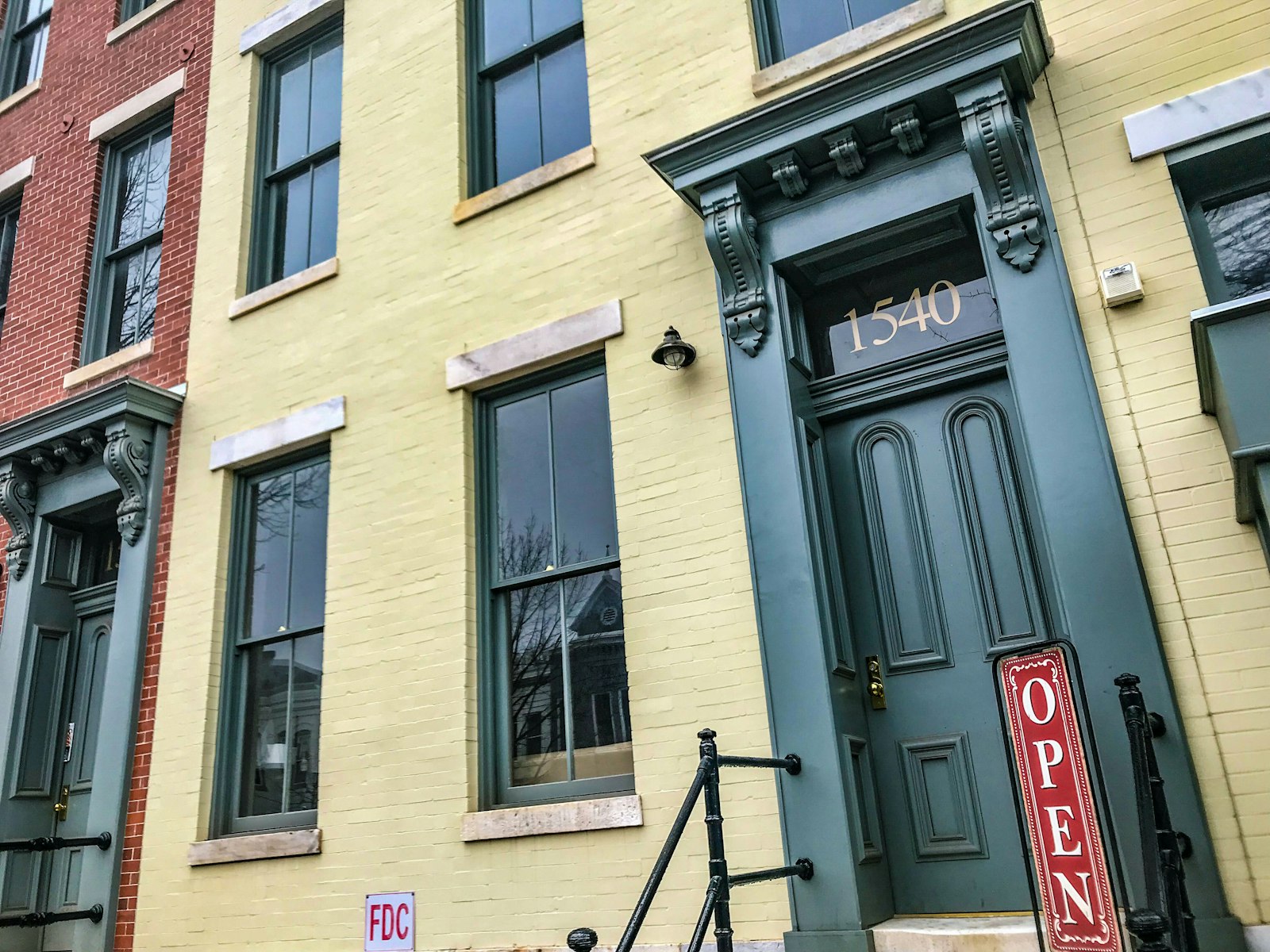
From 1877 to 1895, this was the home of Frederick Douglass, world famous abolitionist and the nation's leading 19th-century African American spokesman. Visitors to the site will learn more about his efforts to abolish slavery and his struggle for human rights, equal rights, and civil rights for all oppressed people.


George Washington Carver National Monument
Diamond, Missouri

Known as one of the nation's greatest educators and agricultural researchers, George Washington Carver’s fame was based on his
research and promotion of alternative crops to cotton, such as peanuts and sweet potatoes.   Carver's boyhood home is the first national monument honoring an African American.  Rolling hills, woodlands, and prairies of the 210-acre park offer a 3/4-mile nature trail, museum and an interactive exhibit area for students.


Little Rock Central High School National Historic Site
Little Rock, Arkansas

On the morning of September 23, 1957, nine African-American high school students faced an angry mob of over 1,000 whites protesting integration in front of Central High School in Little Rock, Arkansas. Come to the visitors centre and be inspired by the courage, determination and faith of the “Little Rock Nine.”


Maggie L. Walker National Historic Site
Richmond, Virginia

The Maggie L. Walker National Historic Site commemorates the life of a progressive and talented African American woman. Despite many adversities, she achieved success in the world of business and finance as the first woman in the United States to charter and serve as president of a bank. The site includes her residence of thirty years and a visitor center detailing her life and the Jackson Ward community in which she lived and worked. The house is restored to its 1930s appearance with original Walker family pieces.


Martin Luther King, Jr. National Historic Site
Atlanta, Georgia

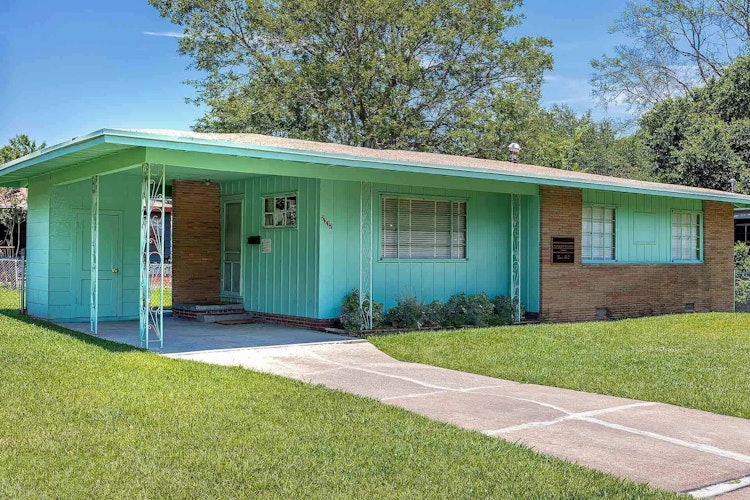
IThe Martin Luther King, Jr. National Historic Site preserves King's birthplace and grave site, along with other homes, a fire station, and the Ebenezer Baptist Church, where King worshipped as a child and later served as co-pastor with his father, Martin Luther King, Sr.

Visitors can stroll through the residential neighborhood where King grew up, seeing much of it just as it looked when he and his family lived at 501 Auburn Avenue. At a time of enforced segregation and restrictive race laws, African Americans built businesses, churches, educational buildings, and social organizations along Auburn Avenue. Here, the future civil rights leader and Nobel laureate was nurtured by a tight-knit community that embodied African American history, heritage, and achievements.


Mary McLeod Bethune Council House National Historic Site
Washington, D.C.

The Bethune Council House was Mary McLeod Bethune's last official Washington, DC residence and the first headquarters of the National Council of Negro Women. Mary McLeod Bethune founded Bethune-Cookman College in Daytona Beach, Florida and served as an advisor on African American affairs to four presidents, the first African American woman to hold such a a senior position in the federal government. The three story Victorian town house was also her Washington, DC residence and includes and a carriage house where the National Archives for Black Women's History is located.


Natchez National Historical Park
Natchez, Mississippi

Among the preserved antebellum properties at the Natchez National Historic Park is the home of William Johnson, "The Barber of Natchez," a prominent free black business man. His two-thousand-page diary provides a vivid picture of life in Natchez before the Civil War, and is still a reference for scholars of the period.


National Underground Railroad Network to Freedom

The Underground Railroad was neither "underground" nor a "railroad," but was a loose network of aid and assistance to fugitives from bondage. Perhaps as many as one hundred thousand enslaved persons may have escaped in the years between the American Revolution and the Civil War.

The Network to Freedom is an ever expanding collection of over 200 National Underground Railroad sites throughout the United States, Canada, Mexico and the Caribbean.  


New Orleans Jazz National Historical Park
New Orleans, Louisiana

New Orleans Jazz NHP preserves the origins and early development of jazz in the city that is widely recognized as its birthplace through programs that educate, entertain and provide information and resources about the quintessential American music. 


Nicodemus National Historic Site
Nicodemus, Kansas

This area preserves, protects, and interprets the only remaining Western town established by African Americans during the Reconstruction Period following the Civil War.


Paul Laurence Dunbar House
Dayton, Ohio

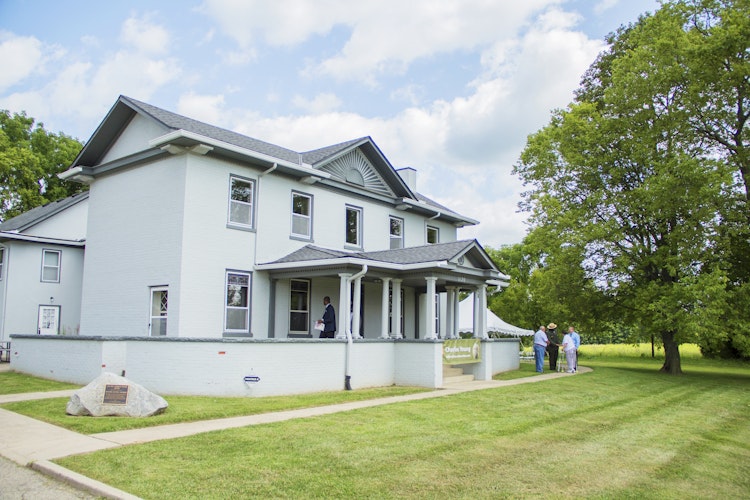
The home of one of America's most beloved poets, the home appears today much as it did at the time of his death in 1906.  A partner site within Dayton Aviation Heritage National Historical Park, the site is owned and managed by the Ohio Historical Society.


Selma to Montgomery National Historic Trail
Alabama

Spread over three counties, the Selma to Montgomery National Historic Trail commemorates the events, people, and route of the 1965 March from Selma to Montgomery and “Bloody Sunday” that led to the 1965 Voting Rights Act.       


Tuskegee Airmen National Historic Site
Tuskegee, Alabama

The outstanding performance of the over 15,000 men and women who shared the "Tuskegee Experience," from 1942-1946, is immortalized at the Tuskegee Airmen National Historic Site.


Tuskegee Institute National Historic Site
Tuskegee, Alabama

Today, the legacy of Booker T. Washington, George Washington Carver, and many others who established this small “trade school” that is now a world class university lives on throughout the campus where many of the original buildings constructed by students, from bricks made in the Institute brickyard, still stand.


Home | Who We Help | Who Helps Us | About AAEF | Discover AAEF Park Sites | Get Involved